
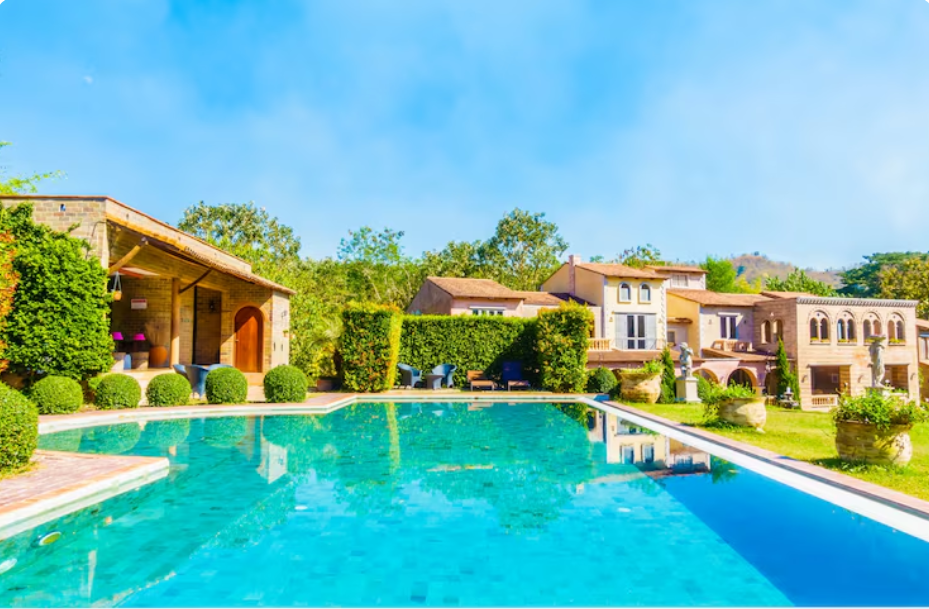
Introduction to Luxury Real Estate
Luxury real estate represents the high end of the property market, encompassing premium homes, penthouses, villas, and exclusive estates. This sector is influenced by wealth trends, lifestyle preferences, global investment patterns, and urban development. Understanding the key trends shaping the luxury real estate market today helps investors, buyers, and developers make informed decisions, maximize returns, and cater to evolving market demands.
Rising Demand in Prime Locations
Location remains a critical factor in luxury real estate. High demand exists in prime urban centers, waterfront properties, mountain retreats, and exclusive gated communities. Buyers seek convenience, privacy, and prestige, making properties in well connected and culturally vibrant areas highly desirable. Strategic location selection ensures higher appreciation and consistent market interest.
Shift in Buyer Preferences
Modern luxury buyers prioritize lifestyle and experiential features. Smart home technology, wellness amenities, home offices, spa facilities, gyms, and entertainment areas are increasingly sought after. Buyers also value sustainability, security, and privacy. Understanding these preferences allows developers and sellers to tailor properties that meet expectations and attract discerning clients.
Global Investment Trends
Luxury real estate attracts international buyers seeking investment diversification, lifestyle options, and long term capital appreciation. Cross border transactions are influenced by currency stability, political climate, and economic trends. Global investment flows shape pricing, market activity, and property demand, making it essential for stakeholders to monitor international trends.
Sustainability and Eco Friendly Developments
Sustainability is a growing trend in luxury real estate. Energy efficient designs, renewable energy integration, eco friendly materials, and green certifications appeal to high net worth individuals who value environmental responsibility. Sustainable luxury properties enhance market reputation, reduce operating costs, and often command premium pricing.
Technological Integration
Technology plays a significant role in luxury real estate. Smart home systems, automated security, climate control, AI assisted property management, and virtual property tours enhance convenience, security, and buyer experience. Developers leveraging advanced technology differentiate their properties and attract tech savvy high end buyers.
Short Term Rentals and Lifestyle Flexibility
Luxury properties are increasingly used for short term rentals, vacation homes, or corporate retreats. Platforms facilitating high end rental experiences enable owners to generate income while maintaining exclusivity. Flexible usage options attract investors seeking lifestyle benefits combined with financial returns.
Market Adaptation and Customization
Customization is a key trend in luxury real estate. Buyers expect properties to reflect personal style, functionality, and design preferences. Developers offering bespoke interiors, unique architectural features, and tailored amenities gain a competitive advantage. Customization enhances property appeal and long term satisfaction for high end clientele.
Financing and Legal Considerations
Financing luxury real estate requires careful planning due to high property values and complex regulations. Buyers often use specialized mortgage products, investment loans, or international financing options. Legal due diligence ensures clear titles, compliance with zoning laws, and protection of investment, minimizing risks in high value transactions.
Urban Development and Emerging Markets
Emerging urban centers and developing luxury markets are attracting attention. Infrastructure growth, urban planning, and economic development increase property value and investment opportunities. Investors targeting these areas benefit from long term appreciation and limited competition while diversifying their luxury real estate portfolios.
Conclusion and Strategic Insights
The luxury real estate market today is shaped by prime location demand, evolving buyer preferences, global investment trends, sustainability, technological integration, lifestyle flexibility, customization, financing strategies, and emerging markets. Understanding these trends enables investors, developers, and buyers to make informed decisions, optimize returns, and create high value properties. Strategic planning and adaptation to market dynamics are essential for success in the competitive and exclusive luxury real estate sector.




Leave a Reply