
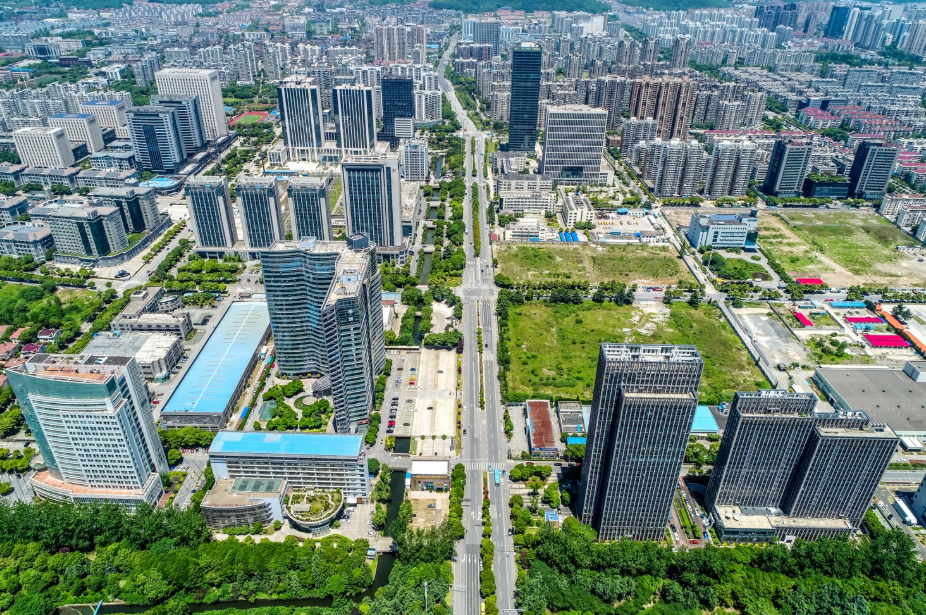
Introduction to Commercial Real Estate
Commercial real estate encompasses properties used for business purposes, including office buildings, retail spaces, warehouses, and industrial facilities. The sector plays a vital role in economic growth, employment, and urban development. Understanding the key trends shaping commercial real estate today helps investors, developers, and business owners make informed decisions, optimize returns, and adapt to evolving market demands.
Impact of Urbanization and Economic Growth
Urbanization and economic expansion are major drivers of commercial real estate. Growing cities require office spaces, retail centers, and industrial hubs to support businesses and employment. Economic growth boosts demand for commercial properties and increases rental income potential. Developers and investors target high growth urban areas to capitalize on rising property values and business opportunities.
Rise of Co Working and Flexible Spaces
The demand for co working and flexible office spaces is transforming commercial real estate. Businesses increasingly prefer short term leases, shared facilities, and adaptable layouts to accommodate changing workforce needs. Flexible spaces reduce operational costs, enhance collaboration, and attract startups and small enterprises. This trend encourages developers to design versatile commercial properties that meet modern business requirements.
Technological Integration
Technology is reshaping commercial real estate by improving efficiency, connectivity, and management. Smart building systems, IoT devices, and data analytics optimize energy consumption, security, and space utilization. Virtual property tours, AI driven market insights, and online leasing platforms streamline transactions and attract potential tenants. Technology adoption enhances property value and market competitiveness.
Sustainability and Green Buildings
Sustainability is increasingly important in commercial real estate. Energy efficient buildings, green certifications, and eco friendly designs appeal to environmentally conscious businesses. Sustainable practices reduce operational costs, improve tenant satisfaction, and enhance long term property value. Developers integrating green solutions gain a competitive advantage and meet evolving regulatory standards.
Changing Work Culture and Remote Work Trends
Remote work and hybrid work models are influencing commercial real estate demand. Companies are reevaluating office space needs, leading to a shift from large traditional offices to smaller, flexible spaces. Developers and investors must adapt to this trend by offering versatile, technology enabled properties that accommodate evolving workplace preferences.
Impact of E Commerce and Retail Transformation
The growth of e commerce is affecting commercial real estate, particularly retail properties. Traditional brick and mortar stores face challenges, while warehouses, logistics hubs, and last mile delivery centers see increased demand. Understanding retail transformation and adapting property offerings ensures relevance and profitability in the evolving commercial real estate market.
Infrastructure and Connectivity
Infrastructure development and connectivity are critical factors in commercial real estate success. Properties near transport hubs, highways, and public transit systems attract higher demand and better rental yields. Strategic location planning enhances accessibility for employees, customers, and logistics operations, influencing property valuation and investment decisions.
Government Policies and Regulations
Government policies, zoning laws, and tax incentives shape the commercial real estate landscape. Regulatory compliance ensures smooth operations and reduces legal risks. Policies promoting business development, foreign investment, and urban regeneration influence demand for commercial properties and create investment opportunities for developers and investors.
Investment Trends and Market Dynamics
Commercial real estate remains an attractive investment for generating steady income and capital appreciation. Market dynamics such as supply and demand, vacancy rates, and economic trends affect returns. Investors analyze locations, property types, and tenant profiles to optimize profitability. Diversification across office, retail, and industrial sectors mitigates risk and enhances portfolio performance.
Health and Safety Considerations
Post pandemic, health and safety standards have become crucial in commercial real estate. Modern buildings incorporate improved ventilation, sanitation, and contactless technologies to ensure employee and tenant well being. Compliance with health regulations not only protects occupants but also increases tenant confidence and property attractiveness.
Conclusion and Strategic Insights
Commercial real estate today is influenced by urbanization, economic growth, flexible workspaces, technology, sustainability, infrastructure, and evolving market dynamics. Understanding these trends allows investors, developers, and business owners to make informed decisions, maximize returns, and adapt to changing demands. Strategic planning, technological adoption, and sustainability practices ensure long term success in the competitive and dynamic commercial real estate market.




Leave a Reply